เหตุใดการวิเคราะห์แบบฟอร์มที่ดำเนินการจึงมีความสำคัญ
การวิ่งเป็นรูปแบบหนึ่งของการออกกำลังกายที่ได้รับความนิยมมากที่สุดทั่วโลก แต่อัตราการบาดเจ็บยังคงสูงอย่างน่าตกใจ: นักวิ่ง 50-70% ได้รับบาดเจ็บอย่างน้อยหนึ่งครั้งต่อปี อาการบาดเจ็บจากการวิ่งส่วนใหญ่มีลักษณะทางชีวกลศาสตร์ โดยเกิดจากการวิ่งของเรา ไม่ใช่แค่ระยะทางที่เราวิ่งเท่านั้น การทำความเข้าใจรูปแบบการวิ่งของคุณเป็นก้าวแรกสู่การวิ่งที่ปราศจากอาการบาดเจ็บ
ปัจจัยเสี่ยงทางชีวกลศาสตร์ทั่วไป
การวิจัยได้ระบุรูปแบบทางชีวกลศาสตร์ที่สำคัญหลายประการที่เกี่ยวข้องกับความเสี่ยงการบาดเจ็บที่เพิ่มขึ้น:
การก้าวข้าม: การลงจอดโดยให้เท้าอยู่ข้างหน้าจุดศูนย์กลางของมวลจะเพิ่มแรงเบรกและแรงกระแทกได้ถึง 30%
สะโพกหล่นมากเกินไป (เทรนด์เดลเบิร์ก): กล้ามเนื้อ gluteus medius ที่อ่อนแอทำให้สะโพกข้างตรงข้ามหลุดในระหว่างยืนท่าทาง ส่งผลให้วงดนตรี IT เข่า และข้อเท้าเกิดความเครียดมากขึ้น
ข้อเข่า: การยุบเข้าด้านในของเข่าระหว่างการลงจอด เกี่ยวข้องอย่างมากกับการบาดเจ็บ ACL เข่าของนักวิ่ง และกลุ่มอาการของสายรัดไอที
ลำตัวเอนด้านข้าง: การแกว่งของลำตัวมากเกินไปบ่งชี้ถึงการขาดเสถียรภาพของแกนกลางลำตัวและเพิ่มภาระของกระดูกสันหลัง
การวิเคราะห์ HoloMotion 60 วินาที
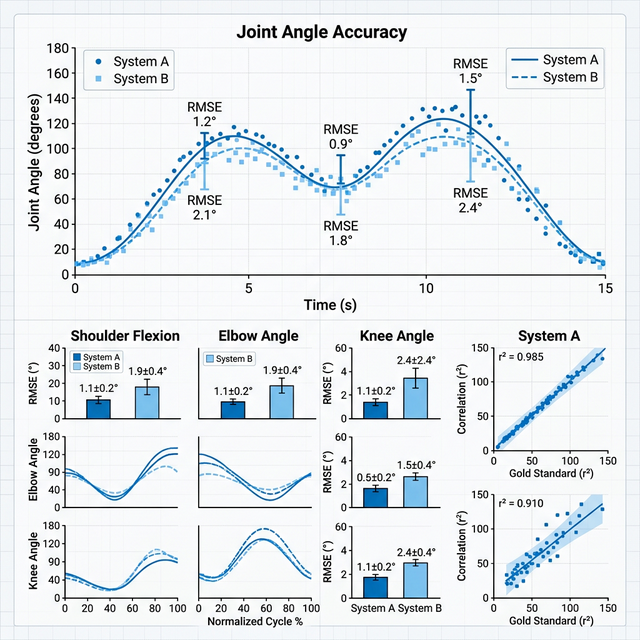
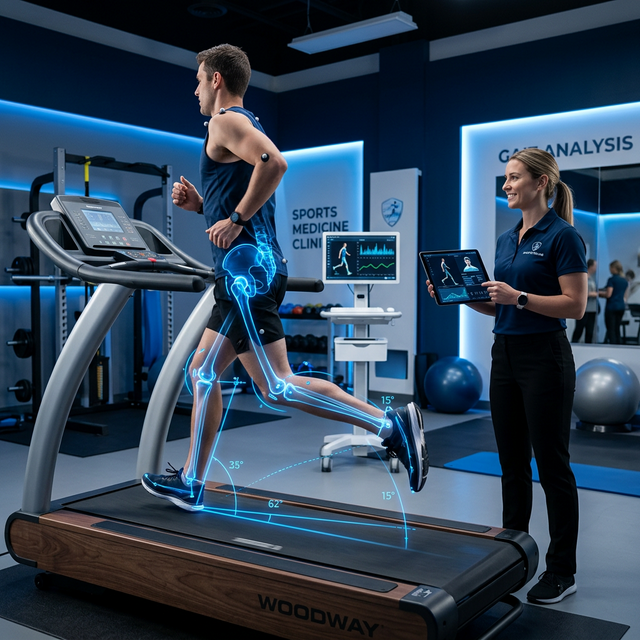
การวิเคราะห์การเดินวิ่งแบบดั้งเดิมจำเป็นต้องเข้ารับการตรวจในห้องปฏิบัติการชีวกลศาสตร์โดยมีค่าใช้จ่าย 200-500 ดอลลาร์ HoloMotion ทำให้เทคโนโลยีนี้เป็นประชาธิปไตย: เพียงแค่วิ่งเป็นเวลา 60 วินาทีต่อหน้ากล้อง RGB-D และ AI ของเราจะวิเคราะห์ตำแหน่งข้อต่อ 33 ตำแหน่งที่ 30 เฟรมต่อวินาที สร้างรายงานทางชีวกลศาสตร์ที่ครอบคลุม รวมถึง:
• จังหวะและเวลาสัมผัสพื้น
• การจำแนกรูปแบบการตีเท้า
• มุมโค้งของข้อต่อ (สะโพก เข่า ข้อเท้า) ตลอดวงจรการเดิน
• ดัชนีสมมาตรทวิภาคี
• การประมาณอัตราการโหลดผลกระทบ
จากการวิเคราะห์สู่การปฏิบัติ: กลยุทธ์การแก้ไข
จากปัญหาทางชีวกลศาสตร์ที่ระบุ การแทรกแซงแบบกำหนดเป้าหมาย ได้แก่:
สำหรับการวิ่งเกิน: การฝึกจังหวะ (ตั้งเป้าที่ 170-180 ก้าว/นาที) การวิ่งแบบใช้เครื่องเมตรอนอม และการฝึกซ้อมแบบเอนไปข้างหน้า
สำหรับการลดสะโพก: การเสริมความแข็งแรงของ Gluteus medius (แบบฝาพับ การลักพาตัวสะโพกตะแคง การก้าวขาลงขาเดียว)
สำหรับข้อเข่า: การเสริมความแข็งแรงของการหมุนข้อสะโพกภายนอก การฝึกรับความรู้สึก และการฝึกเดินใหม่พร้อมการตอบสนองแบบเรียลไทม์
การจัดการโหลดการฝึกอบรม
แม้จะมีชีวกลศาสตร์ที่เหมาะสมที่สุด ข้อผิดพลาดในการฝึกซ้อมยังทำให้เกิดอาการบาดเจ็บจากการวิ่งถึง 60% กฎ 10% (เพิ่มระยะทางรายสัปดาห์ไม่เกิน 10%) ยังคงเป็นแนวทางพื้นฐาน ติดตามอัตราส่วนปริมาณงานเฉียบพลัน:เรื้อรัง และรวมระยะเวลาการพักฟื้นที่เหมาะสม การผสมผสานการเพิ่มประสิทธิภาพทางชีวกลศาสตร์เข้ากับการจัดการภาระการฝึกซ้อมอันชาญฉลาดจะสร้างรากฐานที่แข็งแกร่งที่สุดสำหรับการวิ่งโดยปราศจากอาการบาดเจ็บ