Skala Masalah
Terjatuh adalah punca utama kematian berkaitan kecederaan dalam kalangan orang dewasa berumur 65 tahun ke atas. Satu daripada empat orang dewasa yang lebih tua jatuh setiap tahun, dan jatuh sekali menggandakan risiko jatuh semula. WHO melaporkan bahawa jatuh menyebabkan 37.3 juta kecederaan setiap tahun di seluruh dunia yang cukup teruk untuk memerlukan rawatan perubatan, dengan kos perubatan langsung melebihi $50 bilion di AS sahaja.
Penilaian Faktor Risiko
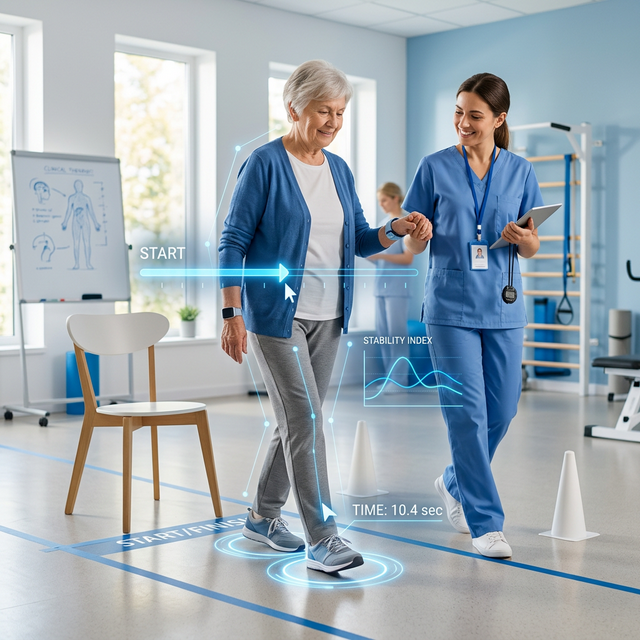
Penilaian risiko jatuh harus menilai berbilang domain: keabnormalan gaya berjalan dan keseimbangan, kelemahan otot (terutama bahagian bawah kaki), kesan sampingan ubat (terutamanya polifarmasi), kecacatan penglihatan, penurunan kognitif, bahaya alam sekitar dan sejarah jatuh sebelumnya. Alatan yang diseragamkan termasuk ujian Timed Up and Go (TUG), Skala Imbangan Berg dan Skala Keberkesanan Jatuh.
Penyaringan Didayakan Teknologi
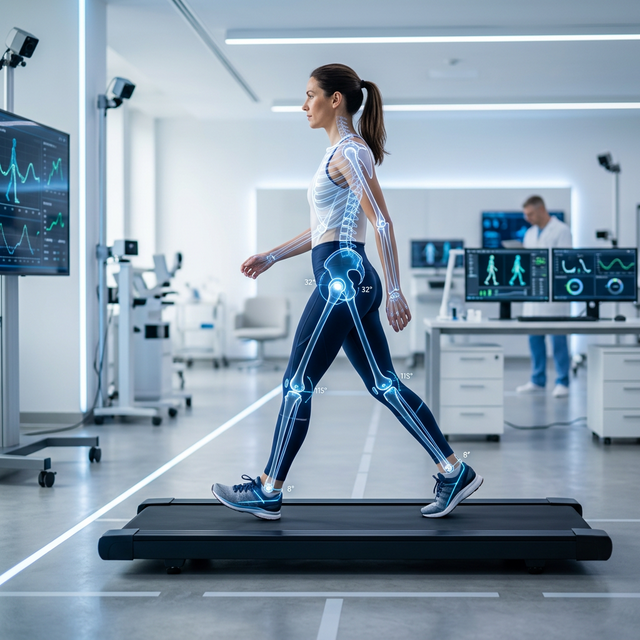
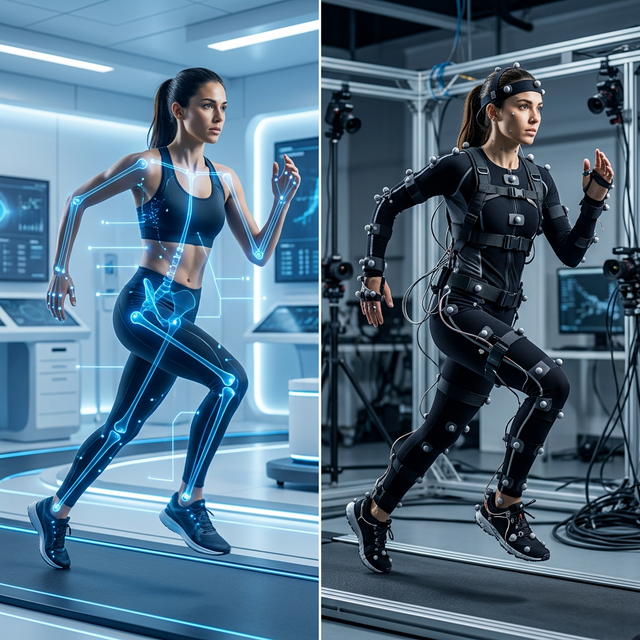
Teknologi moden mengubah penilaian risiko jatuh daripada pemerhatian subjektif kepada pengukuran objektif. Analisis gaya berjalan dikuasakan AI HoloMotion boleh mengesan keseimbangan halus dan keabnormalan gaya berjalan yang meramalkan risiko jatuh, termasuk mengurangkan kelajuan berjalan, meningkatkan kebolehubahan langkah, menurunkan ketinggian langkah dan taburan berat asimetri. Analisis berjalan selama 60 saat menyediakan profil risiko jatuh yang komprehensif.
Strategi Pencegahan Pelbagai Dimensi
Pencegahan jatuh berasaskan bukti memerlukan pendekatan berbilang komponen: program senaman (tai chi, latihan keseimbangan, latihan kekuatan), semakan ubat, pembetulan penglihatan, pengubahsuaian persekitaran rumah, kasut yang betul dan preskripsi peranti bantuan. Kajian menunjukkan bahawa campur tangan pelbagai faktor yang komprehensif boleh mengurangkan kadar jatuh sebanyak 30-40%.
Membina Program Pencegahan Kejatuhan Komuniti
Pencegahan jatuh yang berkesan melangkaui campur tangan individu kepada program peringkat komuniti. Ini termasuk acara pemeriksaan biasa di pusat kanan, program senaman berkumpulan, perkhidmatan penilaian keselamatan rumah, dan penyelarasan penjagaan antara penyedia penjagaan kesihatan. Alat saringan berdaya teknologi seperti HoloMotion menjadikan program komuniti berskala besar lebih boleh dilaksanakan dan menjimatkan kos.