İşaret Tabanlı Hareket Yakalama: Altın Standart
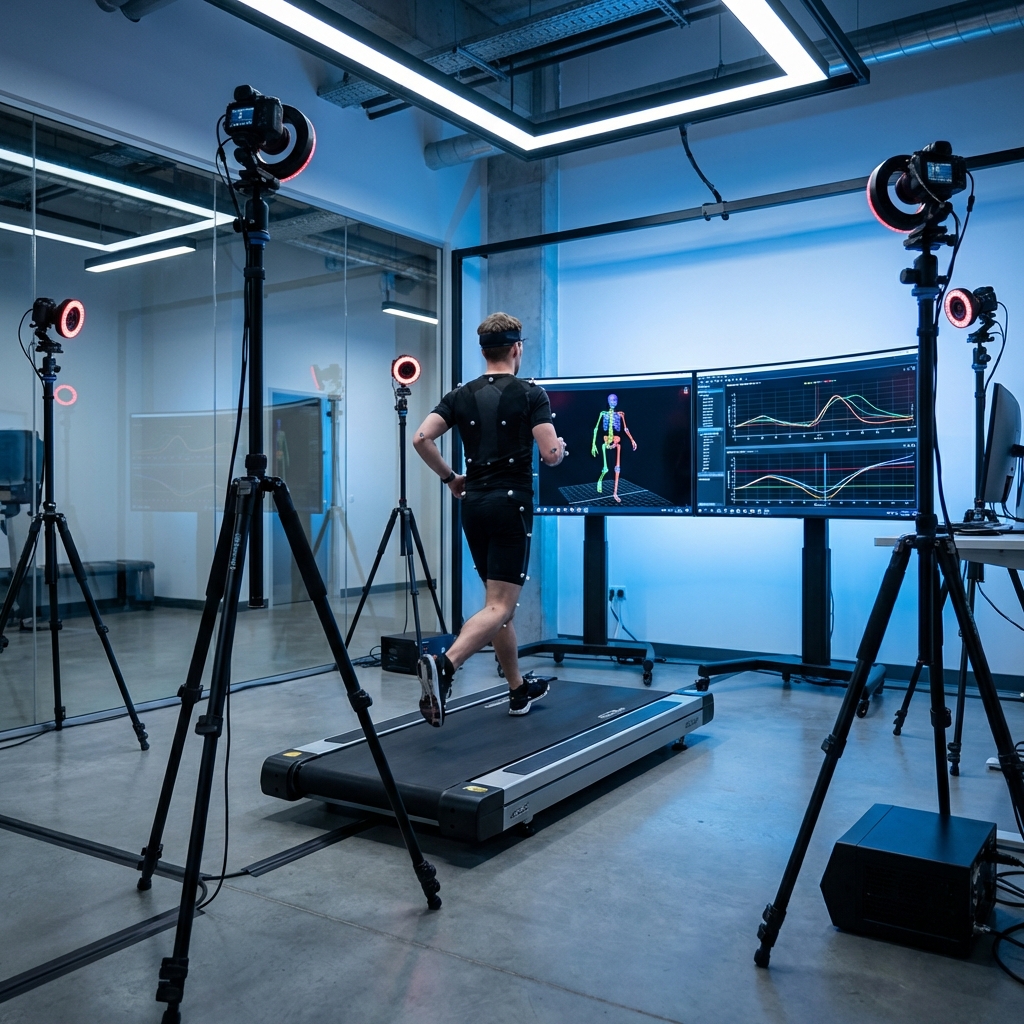
Vicon ve OptiTrack gibi geleneksel işaretleyici tabanlı sistemler, onlarca yıldır biyomekanik araştırmalarda altın standart olmuştur. Belirli anatomik noktalara yerleştirilen yansıtıcı işaretleri izlemek için birden fazla kızılötesi kamera kullanıyorlar ve kontrollü laboratuvar ortamlarında milimetrenin altında doğruluk elde ediyorlar.
Geleneksel Sistemlerin Sınırlamaları
Hassasiyetlerine rağmen, işaretleyici tabanlı sistemler önemli pratik sınırlamalarla karşı karşıyadır: yüksek ekipman maliyetleri (50.000 - 500.000 ABD Doları), özel laboratuvar alanı gereksinimleri, zaman alıcı işaretleyici yerleştirme (seans başına 30-60 dakika), ölçüm doğruluğunu etkileyen cilt hareketi artefaktları ve işaretleyici farkındalığının neden olduğu yapay hareket modelleri. Bu kısıtlamalar, hareket yakalamayı büyük ölçüde araştırma kurumlarıyla sınırlandırdı.
İşaretsiz Devrim
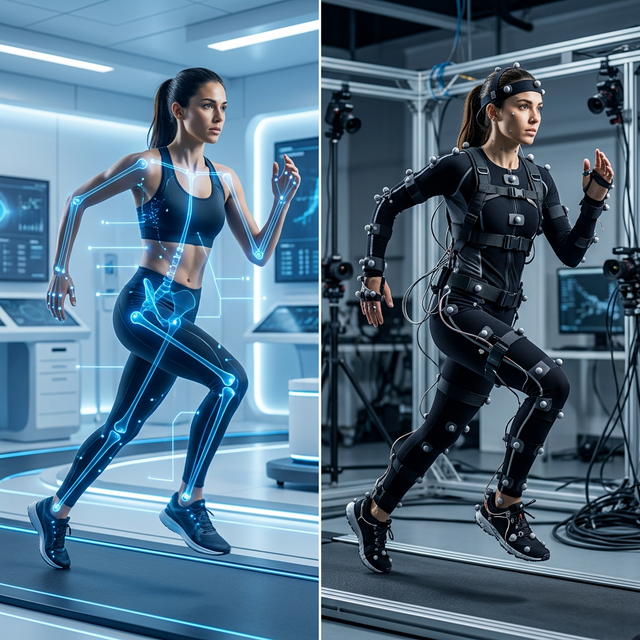
Yapay zeka destekli işaretsiz hareket yakalama sistemleri bir paradigma değişimini temsil ediyor. Derin öğrenme algoritmalarıyla birleştirilmiş standart RGB veya derinlik kameralarını kullanan bu sistemler, herhangi bir fiziksel işaret olmadan insan hareketini izleyebilir. HoloMotion'un işaretsiz teknolojisi, Vicon altın standardına kıyasla ≤ 2,5° RMSE elde ederken yalnızca tek bir RGB-D kamera ve 60 saniyelik çekim süresi gerektirir.
Doğruluk Karşılaştırması
HoloMotion işaretsiz sistem ile Vicon arasındaki bağlantı açısı RMSE karşılaştırması:
Kalça fleksiyonu/ekstansiyonu: 2,1° | Diz fleksiyonu/ekstansiyonu: 2,3° | Ayak bileği dorsi/plantarfleksiyonu: 2,8° | Gövde yanal esnemesi: 1,9°
Bu sonuçlar, işaretleyicisiz sistemlerin çoğu klinik uygulama için gereken klinik doğruluk eşiğine ulaştığını göstermektedir.
Maliyet-Etkinlik Analizi
Ayrıntılı bir karşılaştırma, işaretsiz sistemlerin ekonomik avantajlarını ortaya koyuyor:
Ekipman maliyeti: Markörsüz ~3.000 ABD Doları ile Marker tabanlı ~100.000 ABD Doları+
Kurulum süresi: 5 dakikaya karşı 45 dakika
Gerekli alan: Herhangi bir oda veya Özel laboratuvar
Operatör eğitimi: 1 gün - Hafta-ay karşılaştırması
Test başına maliyet: ~15$ vs. ~200-500$
Geleceğe Bakış
Yapay zeka algoritmaları gelişmeye devam ettikçe, işaretsiz sistemler, geleneksel sistemlerle arasındaki doğruluk farkını hızla daraltırken, benzeri görülmemiş bir erişilebilirlik sunuyor. Klinik hareket analizinin geleceği, hassas biyomekanik değerlendirmenin hastanelerden kliniklere, okullardan evlere kadar her yerde kullanılabilir hale getirilmesinde yatmaktadır.