Longevity needs functional evidence
Longevity care often focuses on biomarkers, imaging, sleep, nutrition, and risk management. Those inputs matter, but they do not fully describe how a person functions in daily life. Movement is where physiology meets behavior.
A person can have promising lab values and still struggle with balance, strength, coordination, or confidence. Another person may feel healthy but show gradual changes in gait speed, symmetry, sit-to-stand control, or variability over time. These functional signals deserve a more objective place in longevity workflows.
Calling movement a vital sign is a product thesis, not a diagnostic claim. It means movement should be observed consistently enough that change becomes visible.
What should be measured
A useful movement assessment does not need to measure everything. It needs to measure the tasks that reflect the question being asked.
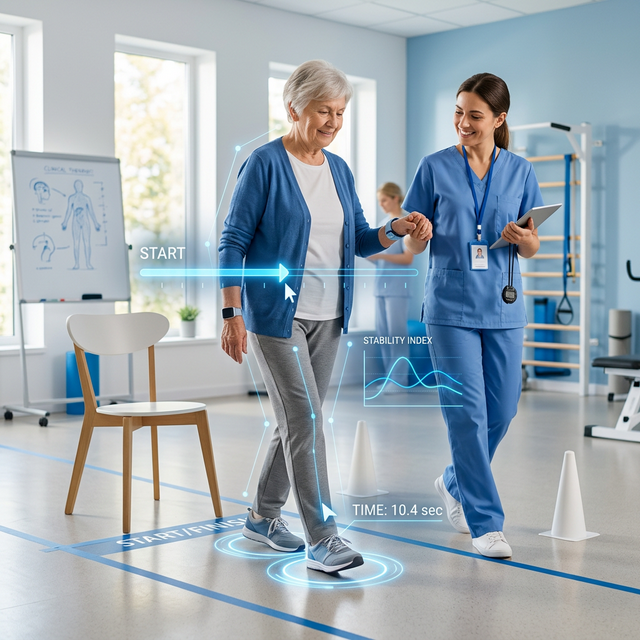
- Gait patterns can show timing, symmetry, and consistency.
- Balance tasks can reveal control strategies and confidence under defined conditions.
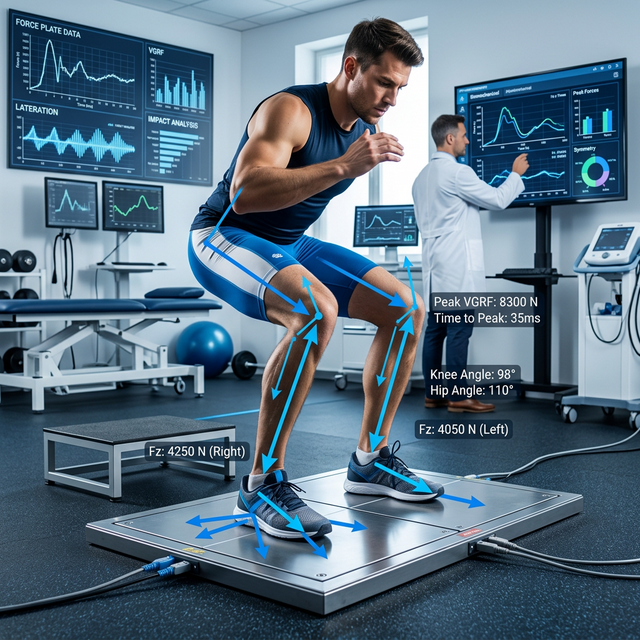
- Sit-to-stand and squat tasks can show strength-related control, range, and compensation.
- Repeated tests can show whether change is stable, improving, or becoming more variable.
- Self-reported confidence can be compared with observed movement behavior.
The value comes from combining objective capture with a protocol that can be repeated. A single impressive chart is less useful than a clear baseline that can be revisited.
Why camera-based assessment fits longevity workflows
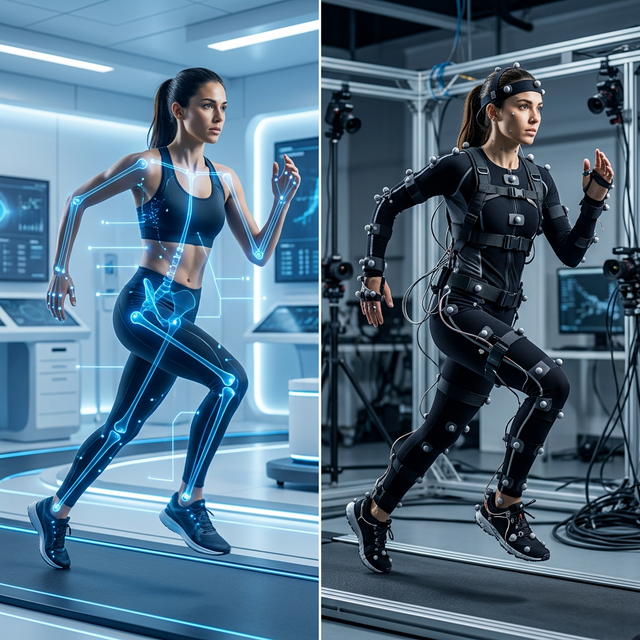
Longevity programs often need scalable assessments that do not feel like laboratory appointments. A camera-based motion workflow can reduce equipment burden and make repeated testing more practical across clinics, wellness centers, research programs, and remote or hybrid models.
This does not remove the need for professional interpretation. It changes the data layer. The clinician, coach, or program team can review objective movement signals alongside other context instead of relying only on memory, subjective observation, or questionnaires.
HoloMotion’s view is that movement data should become part of the longitudinal record, not a one-time novelty.
How to use movement trends responsibly
The most responsible use of movement assessment is trend-aware. Teams should ask whether a change is consistent, whether it appears across repeated trials, whether capture quality was acceptable, and whether the movement task was comparable to prior sessions.
A declining signal should not automatically become an alarming conclusion. An improving signal should not automatically become a promise. Movement data is strongest when it supports a structured conversation and guides whether deeper evaluation, training adjustment, or follow-up is appropriate.
That humility is important because longevity is a long horizon. The product should help teams notice change early, document it clearly, and respond with appropriate human judgement.
What buyers should look for
Longevity teams evaluating movement platforms should look for repeatability, interpretability, and workflow fit.
- Can staff capture the same protocol across visits?
- Does the report separate observed movement from recommendations?
- Can the system compare current and prior sessions clearly?
- Are capture limitations and quality warnings visible?
- Does the platform integrate with the program’s broader assessment model instead of creating isolated data?
These criteria keep movement assessment aligned with care quality rather than dashboard decoration.
Evidence boundary
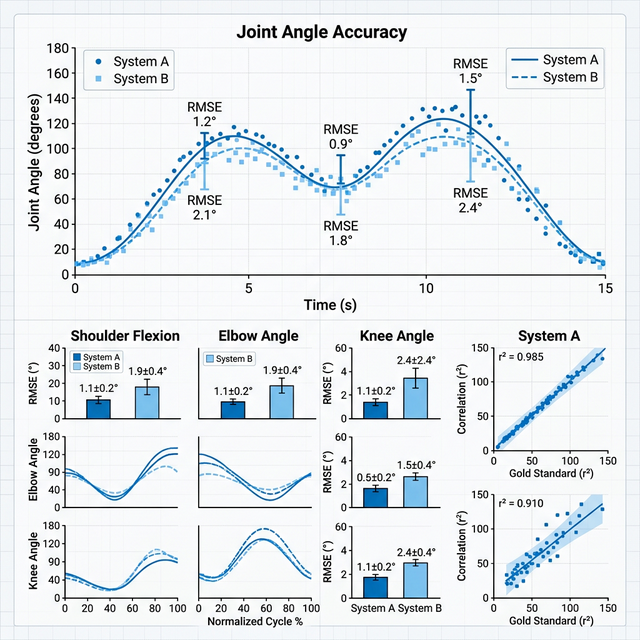
HoloMotion public accuracy language should be read as internal benchmark and technical validation under documented capture conditions. This article does not claim external peer-reviewed clinical publication, standalone diagnostic status, longevity outcome prediction, or jurisdiction-specific clearance.
Where to read next
For implementation details, continue with Longevity solutions and Insurance solutions.