Next-Gen Rehabilitation
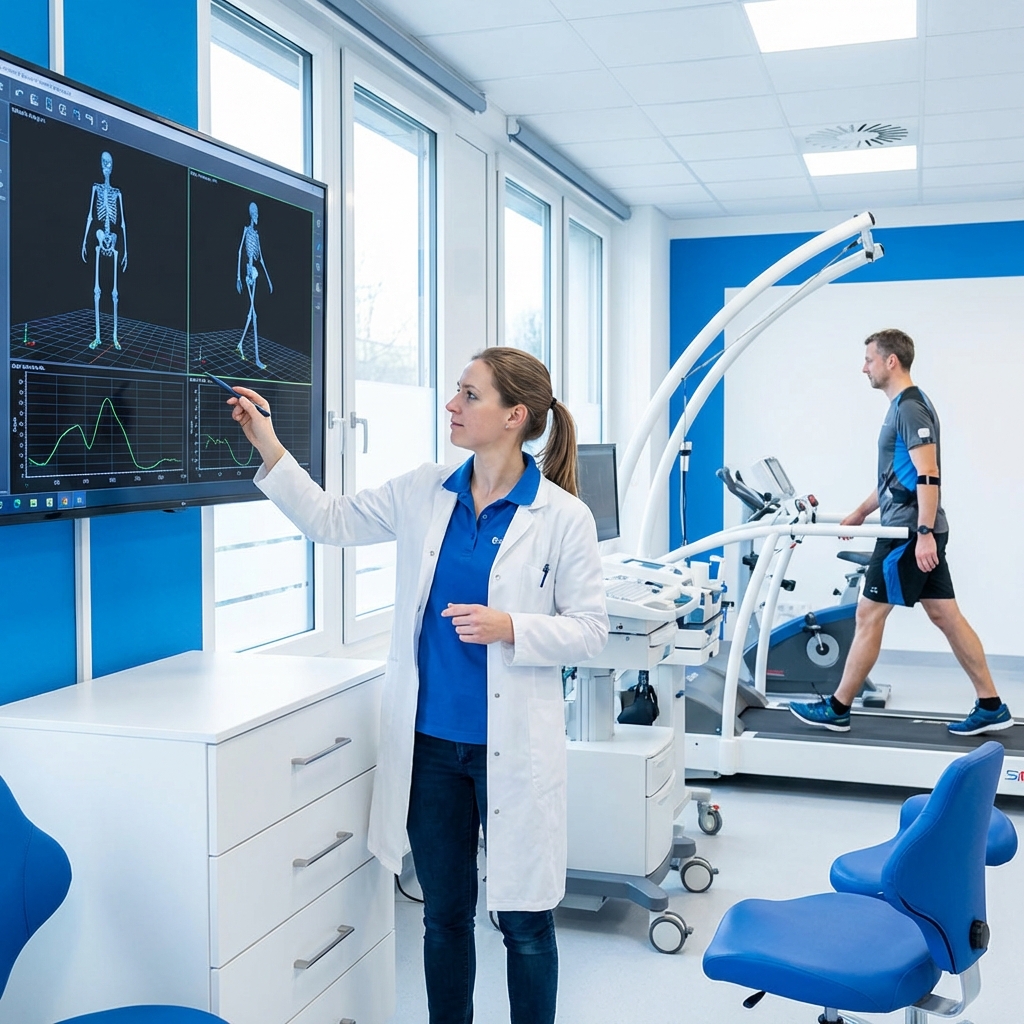
Precise quantification for musculoskeletal function rehabilitation with comprehensive 3D gait analysis, joint ROM assessment, posture screening, and TUG testing.
At a glance
Next-Gen Rehabilitation: Precise quantification for musculoskeletal function rehabilitation with comprehensive 3D gait analysis, joint ROM assessment, posture screening, and TUG testing.
Updated May 2026Comprehensive 3D Gait Analysis
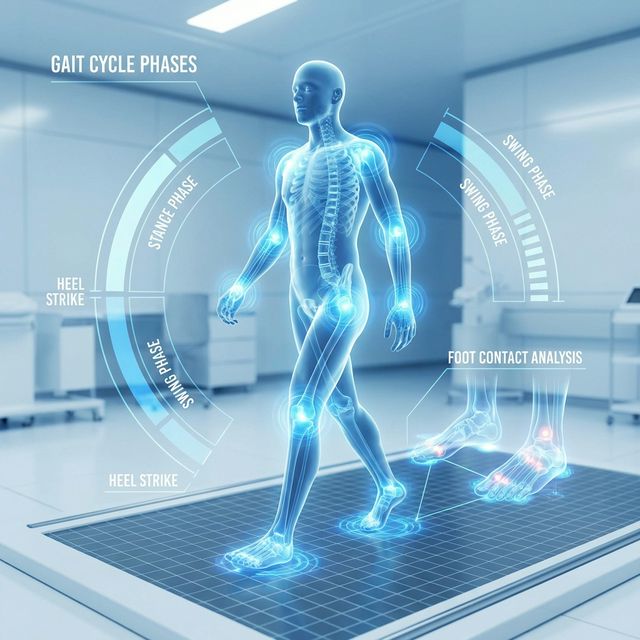
Using pure 3D machine vision algorithms and biomechanical modeling, our system precisely identifies human keypoint changes during walking without sensors or pressure plates. It outputs key gait indicators and joint angle data across the full gait cycle, with biomechanical AI generating lower limb joint forces and muscle activation parameters.
Precise Joint ROM Assessment
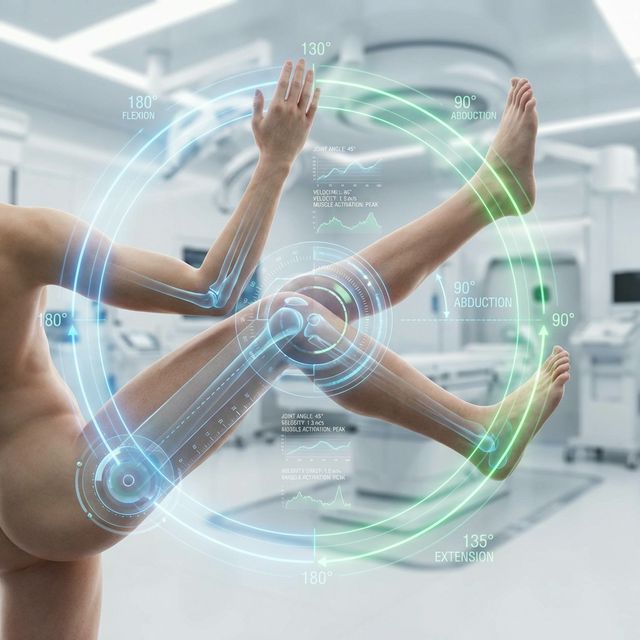
Breaking down movements by body segment, the system precisely captures range of motion, deviation angles, and deviation time ratios during movement. This objectively quantifies joint functional status for injury rehabilitation, post-surgical assessment, and research with traceable scientific evidence.
Body Posture Screening
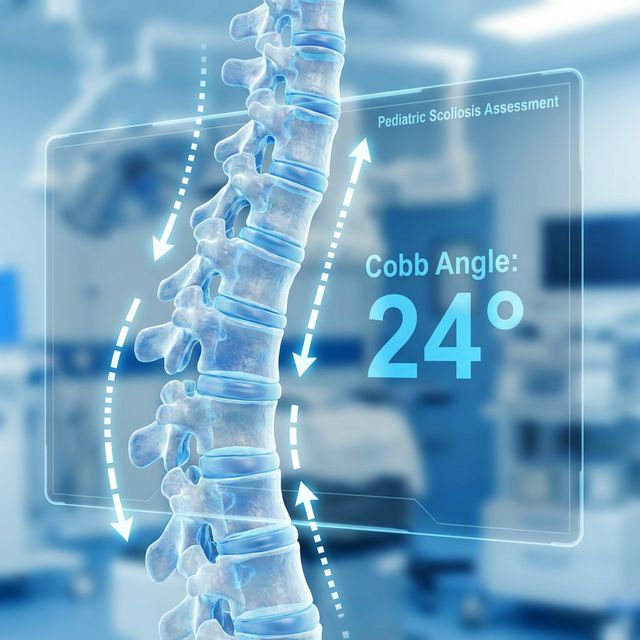
3D vision technology detects key anatomical positions during static standing, analyzing posture across all body segments and precisely quantifying scoliosis, shoulder asymmetry, and knee alignment issues — especially suitable for pediatric and adolescent spinal health monitoring.
Timed Up-and-Go Test
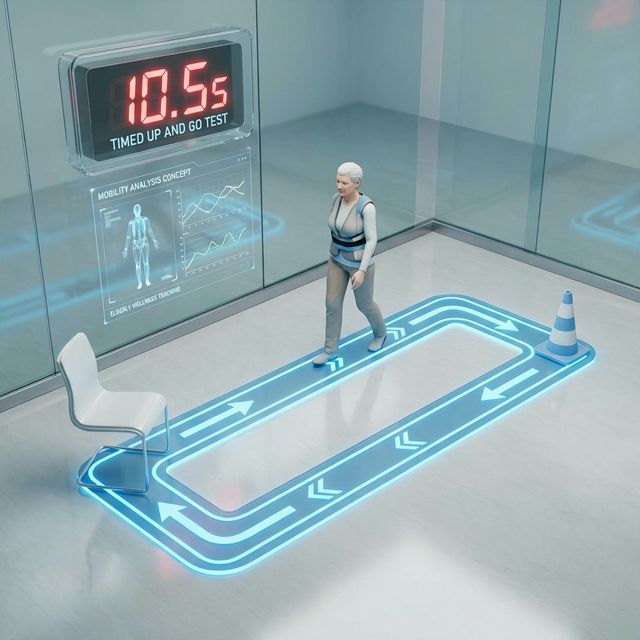
No markers, sensors, or additional personnel needed. Automatically records precise timing for the complete stand-walk-sit sequence while outputting comprehensive gait parameters and biomechanical data for fall risk screening and rehabilitation progress tracking.
FAQ
How does HoloMotion support Next-Gen Rehabilitation?
Precise quantification for musculoskeletal function rehabilitation with comprehensive 3D gait analysis, joint ROM assessment, posture screening, and TUG testing. It uses markerless camera or video analysis to turn movement into reviewable gait, posture, ROM, symmetry, and functional metrics.
Who is this workflow designed for?
It is designed for clinical, sports, research, rehabilitation, wellness, and enterprise teams that need repeatable movement-assessment evidence without marker-based lab setup.
What should teams verify before deployment?
Teams should confirm local workflow requirements, consent, privacy handling, camera placement, and whether any jurisdiction-specific medical-device clearance is required for their use case.
Make follow-up measurements comparable
Before capture, select the assessment and record the reason for testing, movement protocol, side and relevant constraints. Assign an operator and a professional who will review the result.
During capture, follow the configured protocol and check framing, visibility, clothing and occlusion. Repeat a trial when the capture is incomplete rather than interpreting an unreliable output.
Review the report alongside the recorded task and capture quality. For follow-up, retain comparable conditions and protocol/version information. A difference between visits should be interpreted with measurement variability and clinical context.
Movement assessment supports professional judgment. A screening index alone does not establish a diagnosis, treatment effect or future injury probability.
Neurological rehabilitation: follow the task, not just a score
An AI-assisted assessment can organize movement observations across a rehabilitation pathway. Begin with the clinician’s question: how a person completes a reach, a transfer or a walking task, and which part of that task needs closer review. Select only tasks supported by the agreed capture protocol.
For each visit, record the task instructions, affected side, assistance, walking aid, fatigue and reasons for stopping. Keep assistance and camera placement comparable where clinically appropriate. Review movement traces and visible compensations alongside the clinical examination rather than interpreting one aggregate score in isolation.
For a rehabilitation-device research project, agree the event definitions and timing needed to relate a movement to a device action. Synchronization and closed-loop control require their own integration and safety evaluation; a motion report alone does not demonstrate a working stimulation loop.
Turn repeated assessment into an actionable review
Compare usable trials from equivalent tasks, document what changed in the care plan and retain the reviewer’s interpretation. If pain, assistance or capture conditions change, flag that context before comparing visits.
A useful pilot produces a repeatable capture protocol, a reviewable report and a follow-up record that the clinical team can use. It should evaluate workflow fit separately from any later study of treatment benefit.