Elite Sports Performance
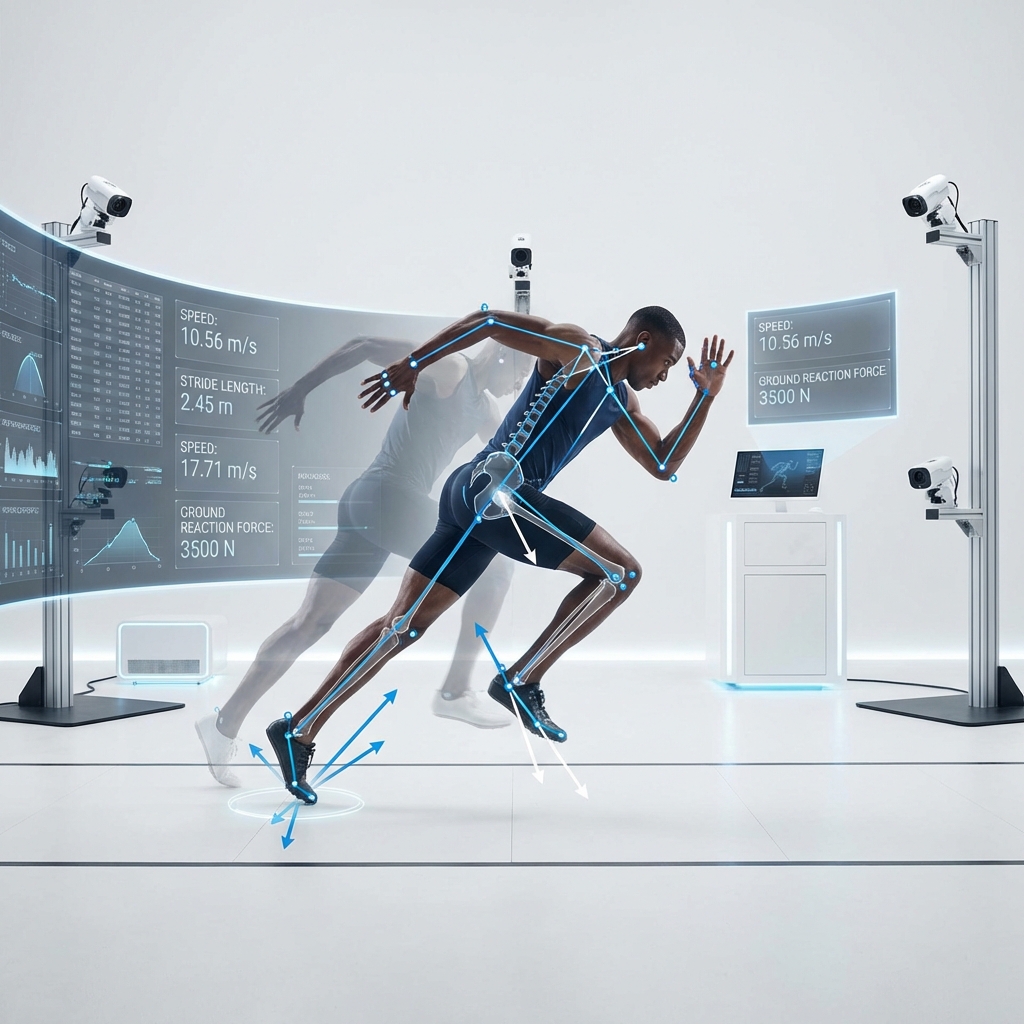
AI-powered movement screening for athletes and sports teams, combining running form analysis, posture assessment, and injury-risk insights.
At a glance
Elite Sports Performance: AI-powered movement screening for athletes and sports teams, combining running form analysis, posture assessment, and injury-risk insights.
Updated May 2026Movement Risk Assessment
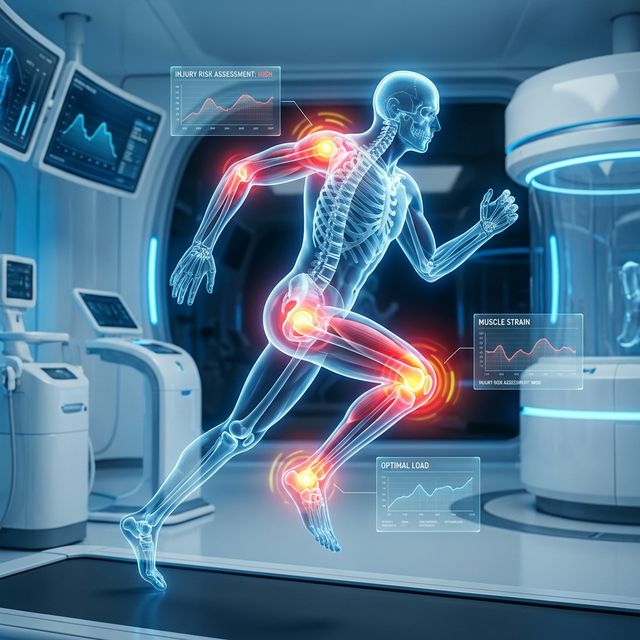
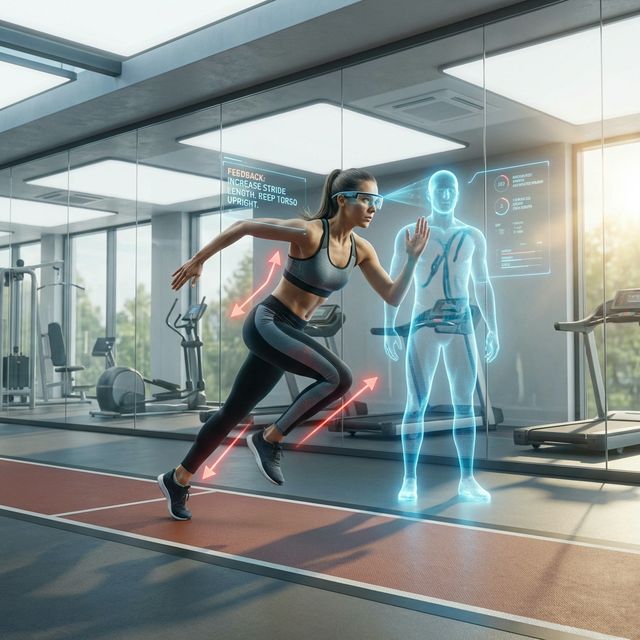
Using 3D machine vision algorithms and biomechanical modeling, our system captures 32 skeletal joint data points without any sensors or reflective markers. Combined with the V-HPEPM professional knowledge graph, it quantitatively analyzes dynamic stability, kinetic chain coordination, and muscle activation status to precisely screen for potential injury risks.
Professional Running Form Analysis
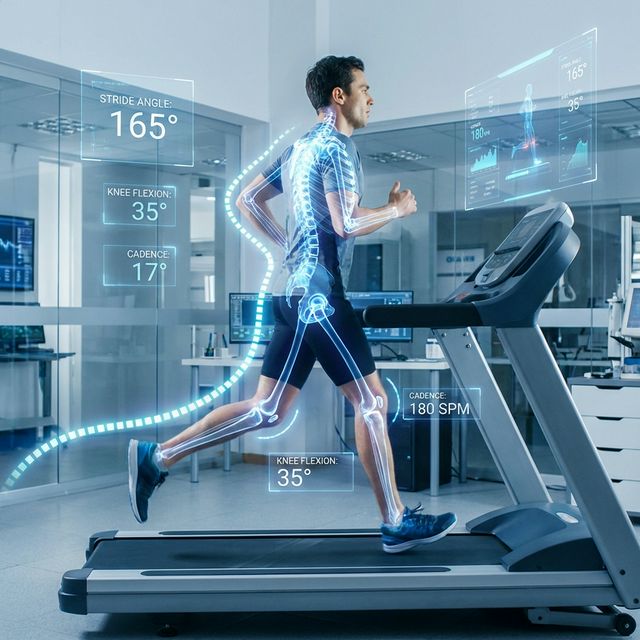
Markerless camera-based movement analysis provides joint-angle and biomechanical outputs; available measures and capture settings depend on the configured product and protocol.
Scientific Posture Assessment
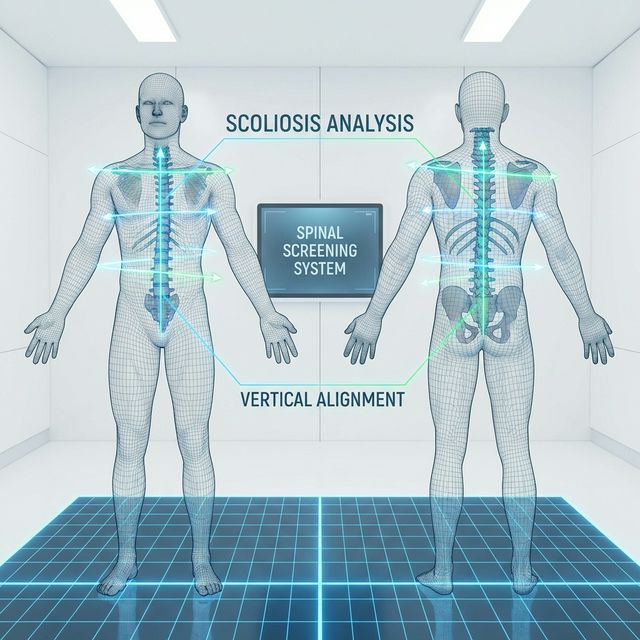
Built-in posture evaluation and spinal screening functionality uses 3D vision technology to detect key anatomical landmarks in both coronal and sagittal planes during static standing, quantifying deviations in scoliosis, shoulder asymmetry, and knee alignment.
AI-Powered Training
Features a professional training module with thousands of targeted exercises covering head, shoulders, trunk, and knee areas, supporting various training loads and difficulty levels. Based on assessment results, it automatically generates personalized training plans with real-time AI coaching corrections.
FAQ
How does HoloMotion support Elite Sports Performance?
AI-powered movement screening for athletes and sports teams, combining running form analysis, posture assessment, and injury-risk insights. It uses markerless camera or video analysis to turn movement into reviewable gait, posture, ROM, symmetry, and functional metrics.
Who is this workflow designed for?
It is designed for clinical, sports, research, rehabilitation, wellness, and enterprise teams that need repeatable movement-assessment evidence without marker-based lab setup.
What should teams verify before deployment?
Teams should confirm local workflow requirements, consent, privacy handling, camera placement, and whether any jurisdiction-specific medical-device clearance is required for their use case.
An assessment cycle for athletics training
Start with the training question: mobility, controlled movement, technique review or return-to-training follow-up. Match the task and capture configuration to the relevant protocol.
Collect a comparable baseline, review capture quality and discuss the output with the coach and qualified sports-health professional. Record a training decision and repeat the same protocol when assessing change.
High-speed sprinting, jumping and throwing introduce different demands from controlled screening tasks. Confirm frame rate, field of view, occlusion handling and task-specific reference agreement before using a metric for a technical decision.
The 2026 athlete study demonstrates an exploratory application in university athletes. It does not establish prospective injury prediction or validation for every athletics event.