Research culture becomes useful only when it changes the product
The part of research culture that shaped HoloMotion most was not prestige. It was discipline: define the question, understand the assumptions, test the system, and be clear about what the evidence can and cannot support.
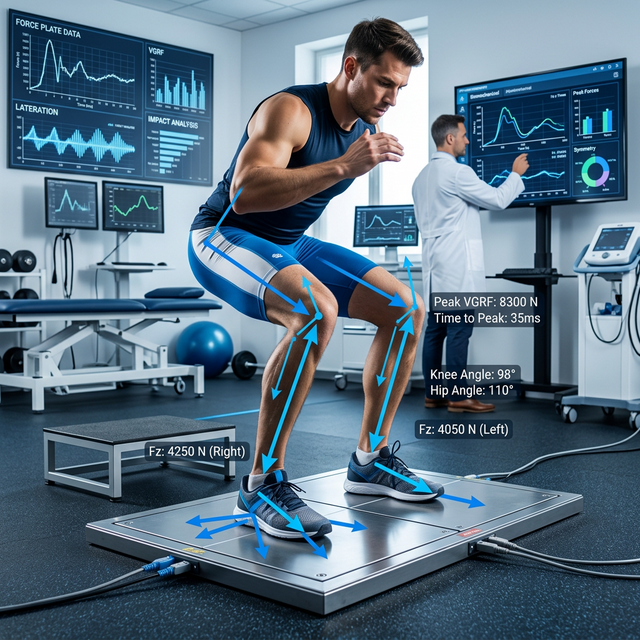
That mindset matters in AI motion analysis because the product sits between multiple worlds. Computer vision engineers care about models, data, and error behavior. Biomechanics users care about joints, phases, compensation, and repeatability. Clinical and sports teams care about whether the result can support a real decision under time pressure.
A founder’s job is to connect those worlds without letting one language dominate the others.
Why HoloMotion started with workflow, not spectacle
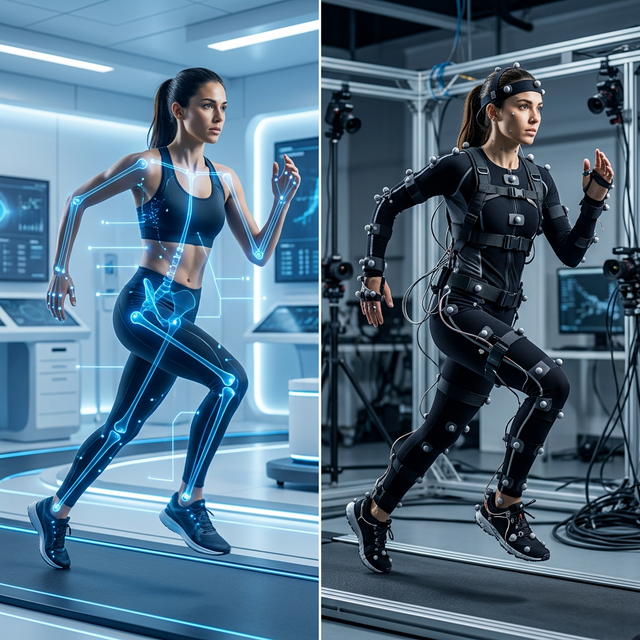
It is easy to make movement analysis look impressive on a screen. A skeleton overlay, a rotating model, or a colorful score can attract attention quickly. The harder question is whether the same system helps a user make a better decision on an ordinary day.
HoloMotion’s product direction came from that harder question. Camera-based capture should reduce setup friction. AI should structure the movement signal. Reports should make the result explainable. Protocols should make repeated use possible. Evidence boundaries should prevent the product from claiming more than it can support.
This is the difference between a demo mindset and a platform mindset.
The founder principles behind the platform
Several principles guide the way HoloMotion thinks about product development.
- Accessibility matters only if repeatability is preserved.
- AI output should be explainable enough for professional review.
- Movement data should support longitudinal comparison, not only one-time visual impact.
- The product should reveal capture limitations instead of hiding them.
- Public claims should stay aligned with documented validation and workflow evidence.
These principles are conservative by design. In healthcare, sports performance, research, and wellness, trust is built through repeatable usefulness.
Building for global use without flattening local workflows
Movement is universal, but workflows are local. A clinic, sports academy, research lab, school program, insurer, or longevity center may all care about movement, but they will ask different questions and operate under different constraints.
This is why HoloMotion has to be both structured and adaptable. The platform needs shared biomechanical foundations, but the front-end workflow, report language, assessment tasks, and governance model must fit the user’s environment.
Global ambition does not mean one generic experience. It means a product architecture that can support local use without losing technical discipline.
What I want buyers and partners to understand
The most important promise HoloMotion can make is not that AI makes movement analysis effortless. The more useful promise is that careful AI, careful protocols, and careful reporting can make movement analysis more usable.
That distinction matters. Effortless products often hide complexity until the user discovers it in the field. Usable products respect complexity and help the team manage it. They make the right action easier without pretending the domain is simple.
This founder column exists to make that philosophy visible: HoloMotion is building for access, but not at the expense of responsibility.
Evidence boundary
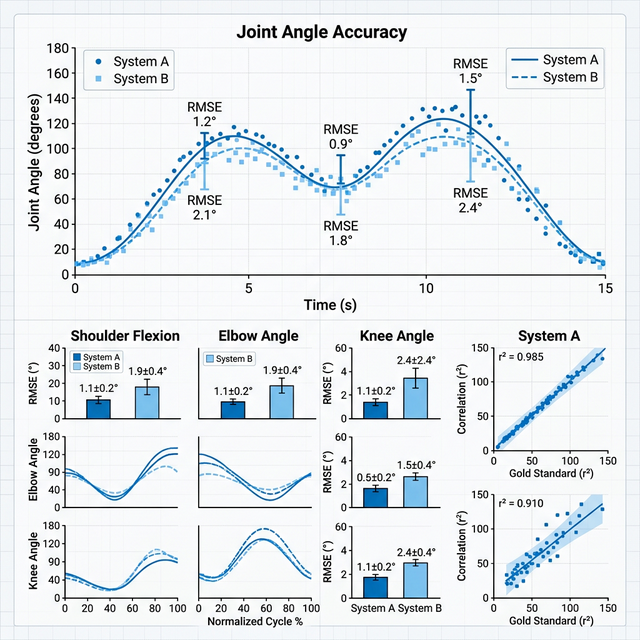
HoloMotion public accuracy language should be read as internal benchmark and technical validation under documented capture conditions. This article is a founder narrative and product philosophy. It does not claim external peer-reviewed clinical publication, standalone diagnostic status, or jurisdiction-specific clearance.
Where to read next
For implementation details, continue with About HoloMotion and Technology.