A running score is not enough
Runners do not need another black-box number that says their form is good or bad. They need feedback that helps them understand what changed, why it may matter, and what to discuss with a coach, clinician, or training plan.
A camera-based running form app can be useful when it connects movement signals to practical decisions. That means showing trends, asymmetry, cadence context, range and control patterns, and whether a retest was captured under comparable conditions.
The founder view is that consumer-friendly design and biomechanical honesty have to live together. The interface should be simple, but the product should not pretend that one score explains the whole runner.
What the app should observe
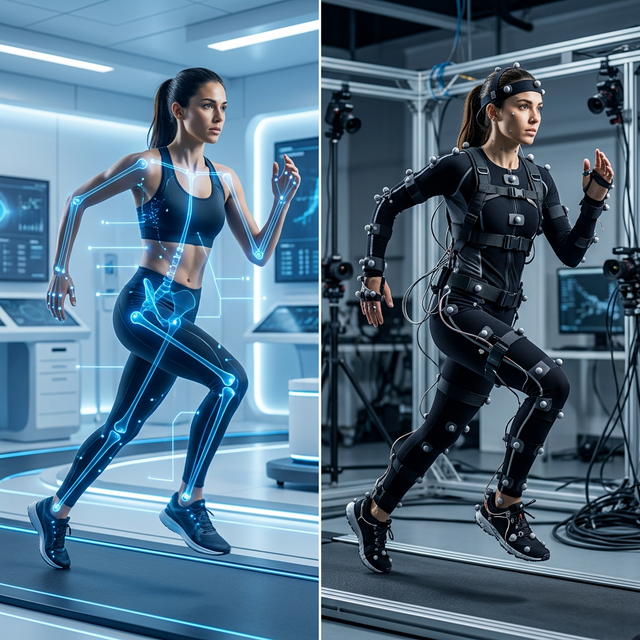
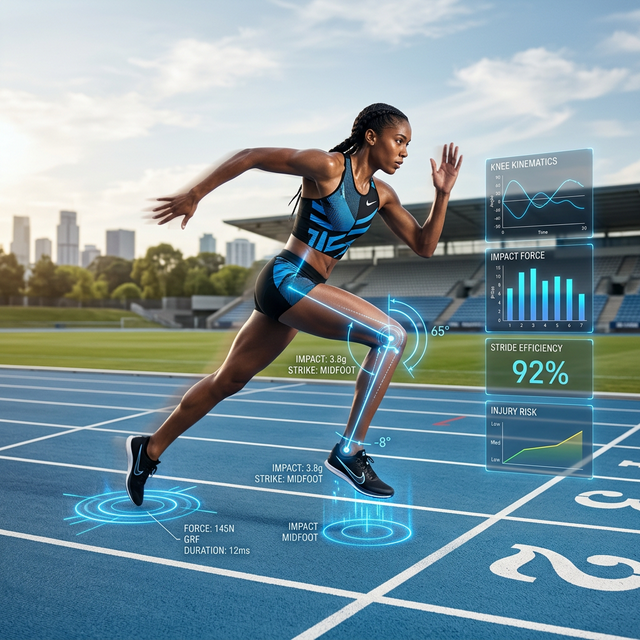
A running assessment should begin with observable movement features. Depending on the capture protocol, a system may look at cadence, step timing, side-to-side differences, trunk motion, hip and knee behavior, foot strike context, vertical movement, and how those features change across speed or fatigue.
The exact feature set should be tied to the camera view and task. A phone placed from the side can support different observations than a frontal capture. A treadmill session may differ from an outdoor recording. A serious app should not treat every video as equally informative.
This is why HoloMotion emphasizes capture guidance. Better user instructions are part of the measurement system.
What the app should explain
Observation is not yet advice. A useful report should explain the relationship between the movement signal and the next decision.
- Which side or phase changed compared with baseline?
- Is the change consistent across repeated trials?
- Does the movement pattern appear under fatigue or only at the beginning?
- Is the signal large enough to track, or is it within normal capture variation?
- What should the runner discuss with a coach or qualified professional before changing training?
This structure keeps the app from becoming either too vague or too prescriptive. The product should support better questions, not replace human judgement.
Trend lines beat one-off labels
Running form is dynamic. Sleep, workload, terrain, footwear, soreness, speed, and confidence can all change how a person moves. A single session can provide a useful snapshot, but repeated comparable sessions are more valuable.
An app should make it easy to compare today’s capture with prior captures under similar conditions. If cadence changed, did asymmetry change too? If hip control improved, did the change persist when the runner increased speed? If a signal became less stable, was the capture quality good enough to trust?
These trend questions make motion analysis actionable without making unsupported promises.
Responsible product boundaries
A running form app should not claim to diagnose injury, guarantee prevention, or prescribe care. It can help users observe movement, document patterns, and prepare a better conversation with a coach, clinician, or training team.
The product should also be honest about capture quality. Poor lighting, loose clothing, unstable camera placement, unusual camera angles, or partial body visibility can reduce confidence. Hiding those issues may make the app feel smoother, but it makes the output less responsible.
Evidence boundary
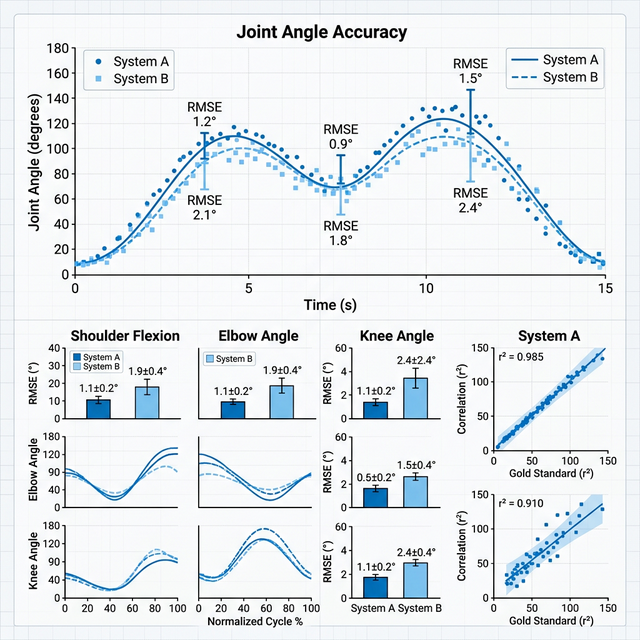
HoloMotion public accuracy language should be read as internal benchmark and technical validation under documented capture conditions. This article does not claim external peer-reviewed clinical publication, standalone diagnostic status, injury prediction, or jurisdiction-specific clearance.
Where to read next
For implementation details, continue with HoloMotion apps and For runners.